
Building Africa's future through CULTURAL INTELLIGENCE ©


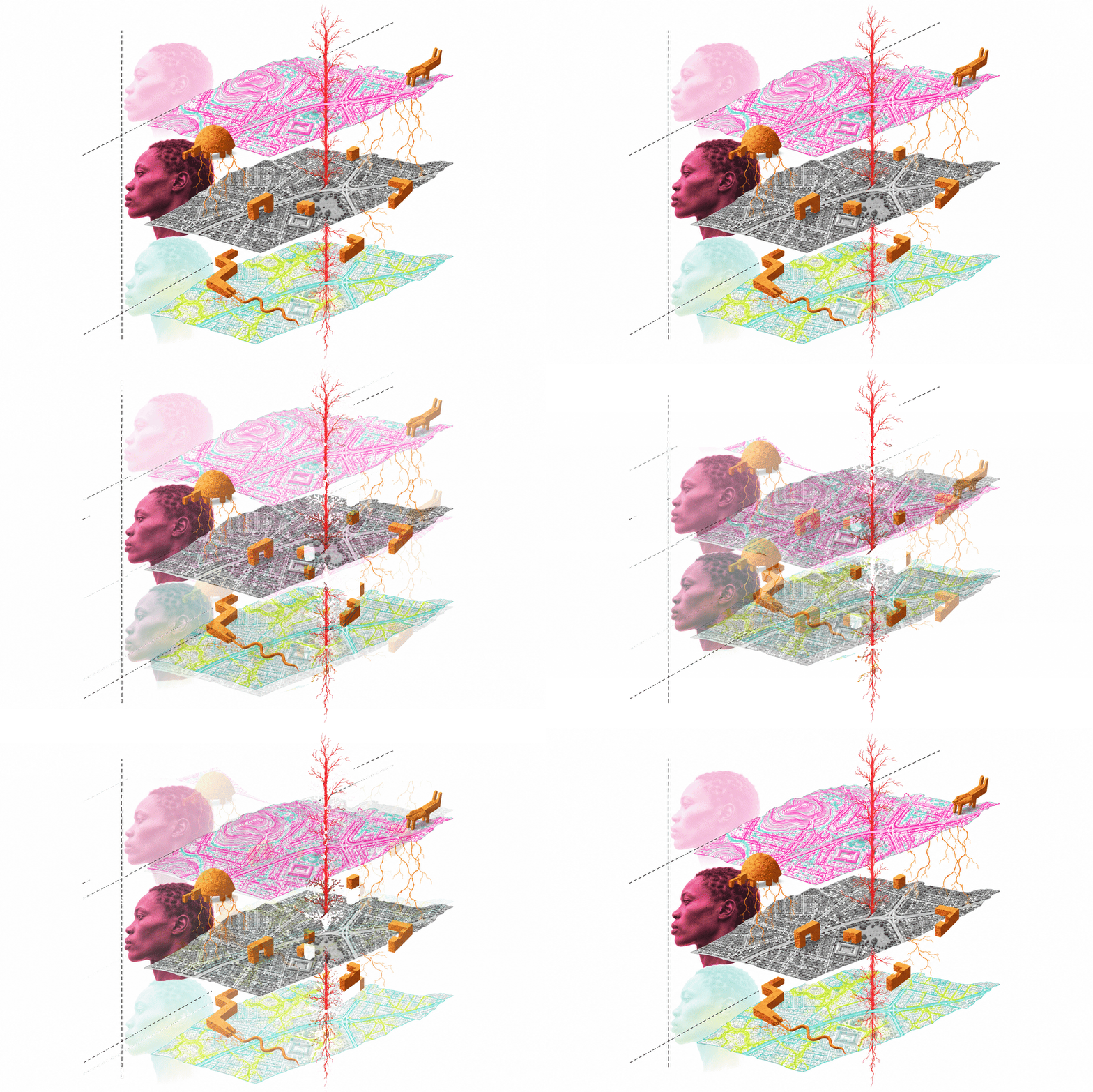
WHAT WE DO
AFREETEKTURE IS A DESIGN AND RESEARCH PRACTICE THAT PUTS SOUTHERN AFRICAN INDIGENOUS INTELLIGENCE TO WORK IN SHAPING SUSTAINABLE FUTURES. OUR APPROACH, CULTURAL INTELLIGENCE ©, GREW OUT OF RESEARCH INTO HOW OUR ANCESTORS LIVED AND THRIVED IN COMPLEX, CHANGING ENVIRONMENTS. WE STUDY HOW THEY USED PLACES, STORIES AND RITUAL TO TRANSFORM HOW THEY UNDERSTOOD AND ACTED IN THE WORLD. THROUGH TALKS AND SEMINARS, WE SHARE WHAT WE’VE LEARNED. THROUGH WORKSHOPS, WE TEACH PEOPLE HOW TO USE IT. THROUGH STRATEGIC ADVISORY AND DESIGN, WE APPLY IT WITH INDIVIDUALS, INSTITUTIONS, BUSINESSES AND STUDIOS WHO SHAPE MORE EQUITABLE, SUSTAINABLE AND PROSPEROUS FUTURES.
– DR. SECHABA MAAPE
HOW AFREETEKTURE BRING CULTURAL INTELLIGENCE © TO YOU
Discover what it is and where it comes from
Talks, seminars, exhibitions, publications
What kinds of intelligence enabled our ancestors to live and thrive in complex, changing environments? We share what our research into Southern African Indigenous knowledge revealed about how people used places, stories and ritual to transform how they perceived the world and acted within it. By applying what we learned to the work of shaping futures, we developed the approach we call CULTURAL INTELLIGENCE ©. You’ll learn where it comes from, how it works, and what it makes possible today.
Learn to think with it
Workshops, learning programmes
We’ve used CULTURAL INTELLIGENCE © to develop tools that disrupt the habits of thought and perception that have shaped the world we live in and still limit the futures we can imagine. In our workshops, you use these tools on a question from your own work. Through encounters with objects, stories and spatial exercises, you can loosen familiar categories and bring things into relationships you hadn’t considered. We then use drawing, scenarios and AI-assisted visualisation to explore what those relationships make possible and develop alternatives you can take forward.
Put it to work on a problem you face
Research, strategic advisory and design
We apply CULTURAL INTELLIGENCE © with businesses, institutions, organisations and studios facing a specific problem. We investigate how the problem took shape, how people experience it, and what sustains it. We then work with you to develop and test responses suited to your circumstances. Depending on the challenge, that might mean rethinking a brief, designing a service, developing a strategy or prototyping a solution you can put into practice.

AFRICAN LANDSCAPE ARCHITECTURES_2025//
Place: Harvard University, Cambridge, Massachusetts, USA
Photo Credit: Dr Sechaba Maape
OUR PROCESS
Western architectural categories foreground the built forms of Southern African Indigenous spatial practices. Our research asks what kind of intelligence those practices carry. In the ways thresholds are made, crossed and remade, we found a capacity for adaptation. Boundaries give the world a form we can recognise and act within. When conditions change, we need to be able to loosen those boundaries and establish new ones. We call this ontological competency. It sits at the heart of CULTURAL INTELLIGENCE ©.
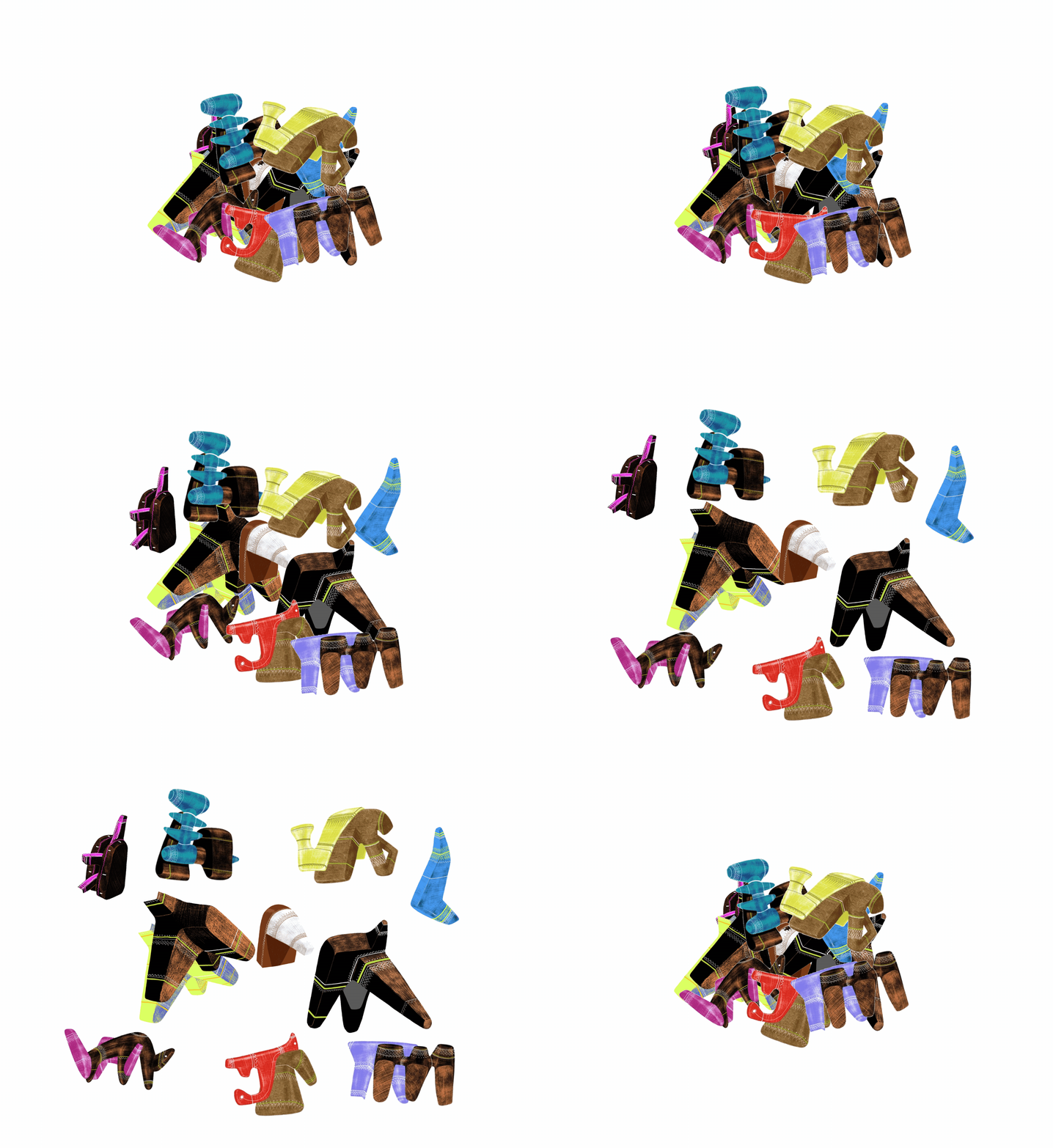
Over more than twenty years, we’ve distilled principles from Southern African Indigenous spatial intelligence into a visual language. We call the forms we’ve invented ontological instruments. They join, separate and recombine, making visible how a boundary holds one arrangement together and how a different one can take shape. Working with these instruments, you learn to recognise the boundaries that hold your current understanding of a situation in place and explore what becomes possible when they shift.
In workshops and design-led consulting, we start with a challenge you’re facing. Together, we locate the threshold of the current understanding, the point where one definition begins to rule out other possibilities. We use our instruments to loosen that boundary, and tools such as AI to give emerging possibilities a form we can examine together. You leave with new ways forward and a method you can use again as conditions change.